Retailer Electrical Services Orange County: Open with Self-confidence
A grand opening ought to seem like a thumbs-up, not a scramble for extension cords and last‑minute assessments. Electrical work sits at the center of that confidence. Store lighting, point‑of‑sale uptime, refrigeration for grab‑and‑go coolers, music and scent systems, perimeter security, and the little things like a well‑placed flooring box where a display screen table needs power, they all depend on a style and installation that respects both the letter of code and the rhythm of retail. After twenty years developing out occupant improvements from Anaheim to Irvine, I can tell you the distinction in between a smooth opening and a difficult one is made months earlier, in options that seem little at the time.
This guide unloads what a reliable Orange County electrician need to deliver for retail tasks of all sizes, from shop buildouts to multi‑tenant rollouts. Whether you are revitalizing an area at The Laboratory in Costa Mesa or taking over a shell in a new Irvine spectrum development, the very same fundamentals apply: tight coordination, wise lighting, tidy power circulation, life‑safety systems that pass inspection the first time, and a crew you can reach when something breaks on a Saturday night.
Permitting, assessments, and the Orange County method of doing things
Every jurisdiction inside the county has its own flavor. Santa Ana's counter discussions are not the same as Irvine's strategy evaluation cadence. Some cities allow over‑the‑counter licenses for light remodels if you bring a clear scope and load calcs; others will path through plan check regardless. Your Orange County electrical contractor need to take point on this. Expect them to:
-
Build a license submittal plan that covers a one‑line diagram, panel schedules, load computations, Title 24 lighting types, and a website plan that calls out trenching or parking lot EV arrangements if applicable.
-
Coordinate with your GC and architect so that circuiting, controls, ceiling heights, and fixture types match what is displayed in the reflected ceiling plan and schedules.
-
Speak with complete confidence with inspectors about California Electrical Code, Title 24 Part 6 for energy, and regional modifications. For retail, typical flags include emergency egress illumination levels, daylighting and multi‑level controls, and service receptacles within 25 feet of rooftop mechanical equipment.
If you are handling Southern California Edison for a new service or a meter area, schedule early. Lead times fluctuate, often 2 to 6 weeks for basic meter upgrades, longer if a transformer modification is on the table. A licensed electrician Orange County suppliers trust will have design templates for SCE load letters and know who to call when a job stalls.
Lighting that offers, saves, and survives inspection
Retail lighting is not practically foot‑candles. It has to do with color rendering on materials, tidy beam spreads that keep racks brilliant and aisles comfortable, and a control method that passes Title 24 without becoming a daily disappointment for staff.
Color and convenience. For clothing, beauty, or home items, go for 90+ CRI and 3000 to 3500 Kelvin. Precious jewelry corners take advantage of a touch cooler, 3500 to 4000 Kelvin, to add shimmer without cleaning color. I as soon as enjoyed a Costa Mesa shop lift weekly sales 7 percent after replacing 82 CRI lights with 95 CRI modules and tightening beam spreads from 40 to 25 degrees over function tables. The product just looked right.
Layout matters. A good lighting installation Orange County group will integrate ambient lighting for basic visibility with track accent heads or adjustable recessed components for feature walls. Recessed lighting Orange County codes often press towards LED with high effectiveness; current great fixtures land above 80 lumens per watt without sacrificing quality. In fitting rooms, soften it. Indirect or wall‑grazing creates a lovely environment and reduces returns. For checkout counters, avoid downlight glare directly over the POS screens.
Controls that pass and perform. Title 24 needs vacancy sensing units in lots of areas, multi‑level or dimming controls for a lot of luminaires, and daylighting controls where skylights or big windows bring in natural light. The technique is keeping it human‑friendly. Program vacancy sensing units with a modest timeout, say 15 minutes for back rooms and storage, and put manual on at doors so staff decide when the lights begin. At the sales floor, schedule‑based controls with scene presets for early morning setup, peak hours, and closing keep it simple. When inspectors appear, they will check automated shutoff and daylighting zones; have your Orange County electrical contractor present to show compliance.
Outdoor and sign lighting. Parking area and exterior lighting falls under outside lighting Orange County requirements, that include backlight, uplight, and glare factors to consider. Pick luminaires with cutoffs that appreciate neighboring occupants and residences. Channel letters and blade signs require committed, switched circuits and often a photo‑eye or astronomic timer. Place the control where staff can reach it without a ladder.
Power circulation that fits retail realities
Behind the ceiling and drywall, retail power rigs need to be robust and flexible. Tomorrow's seasonal design will not be the exact same as today's launch, and nothing slows a changeover like hunting for circuits at 10 p.m.
Service size and panels. Your load computation ought to cover lighting, receptacles, A/C, signage, cooking area or drink equipment, and any specialty loads like scent makers or video walls. Small stores can run easily on a 200 amp, 120/208V 3‑phase service; larger shops often need 400 amps or more, especially if refrigeration or cooking equipment is on website. If energy upgrades are impractical, a targeted electrical panel upgrade Orange County crews carry out routinely can complimentary capability by rebalancing phases, tightening up feeder terminations, and changing outdated breakers.
Subpanels and circuiting. Keep a clean primary circulation and feed subpanels near high‑demand zones. A POS subpanel with isolated ground circuits keeps signs up stable. A lighting subpanel simplifies after‑hours repairing without taking down refrigeration or POS.
Floor boxes and versatility. Put power where the fixtures and tables want to be, not just along the walls. For open floor plates, in‑slab flooring boxes at screen pods pay for themselves within one merchandising cycle. Mark them on as‑builts so your staff can discover them without guesswork.
Surge and power quality. Sensitive POS systems and LED drivers do not like filthy power. A combination of panel‑mounted surge security and separated ground receptacles at signs up goes a long way. For shops with audio and video walls, harmonic filtering and mindful neutral sizing prevent annoyance trips and flicker.
When is it an upgrade versus a full changeout? That shows up often when the existing gear is tired. Here is a fast comparison that assists owners weigh options.
-
Panel upgrade: Keep the existing enclosure, change the interior guts and breakers, upgrade labeling, add surge protection, and rebalance loads. Excellent when the can is in excellent shape, clearances fulfill code, and capability is close. Faster and typically more economical, particularly in ended up spaces where a full demonstration would trigger patching and repainting.
-
Panel replacement: Remove the enclosure and install new. Required when the can is damaged, clearances are noncompliant, the bus ranking is too low, or the brand is obsolete with suspect breakers. This takes longer and might require utility coordination, however it avoids future parts headaches.
Low voltage and clever systems that play well together
Retail survives on connectivity. From EMV chip readers to Wi‑Fi gain access to points, music streaming, cams, and digital signage, low voltage wiring Orange County services ought to be prepared alongside line voltage, not added later.
Point of sale. Run committed circuits with separated premises to POS stations and provide each position a network drop and a spare. Keep power whips and information runs different to lower interference. Where channel is needed, emergency medical technician for power and plenum‑rated cable television trays for information keep it tidy.
Audio and paging. Speaker lines can share pathways with low‑voltage lighting control buses if shielded and separated correctly, but avoid bundling with PoE data runs. Provide a rack location with cooled ventilation for amplifiers, mixers, and control gateways.
Cameras and security. Coordinate with the security supplier on gadget counts and power requirements. Lots of modern-day electronic cameras run PoE+, which simplifies cabling but increases switch load. Assign circuits for network switches and battery backups in the IDF. Label everything. A regional electrical contractor Orange County group that thinks like a center manager labels both ends and updates an easy spreadsheet that your staff can actually use.
Smart controls. In domestic work we discuss clever home wiring Orange County all the time. Retail sees comparable gains from centralized control, just with different players. A well‑planned control backbone that connects lighting, HVAC setpoints, and signage schedules into a single control panel pays off in energy and staffing. Keep it open‑protocol where possible, and firmly insist that passwords and admin rights pass to the occupant at job closeout.
Life safety that passes on the first try
Nothing eliminates an opening date like stopping working an electrical evaluation Orange County requires on emergency egress. The checklist lives in my head after many walk‑throughs with inspectors.
Egress lighting. Paths to exits should satisfy minimum foot‑candles at the flooring even throughout power loss. That indicates dispersed emergency fixtures or integral battery crams in a percentage of luminaires. Test them under load, not simply a quick button press.
Exit signs and placement. Mount heights, presence from aisles, and directional chevrons matter. Battery backup units must hold for 90 minutes. I change the battery on any system that checks out below spec on a timed test.
Fire alarm and tracking. Depending on structure type, your project may touch a base structure system. If so, coordinate gadget relocation early. Some cities need a separate license and a NICET‑stamped submittal for even little changes. Your commercial electrician Orange County partner should understand when to involve a dedicated emergency alarm professional and keep pathways compliant with plenum and seismic rules.
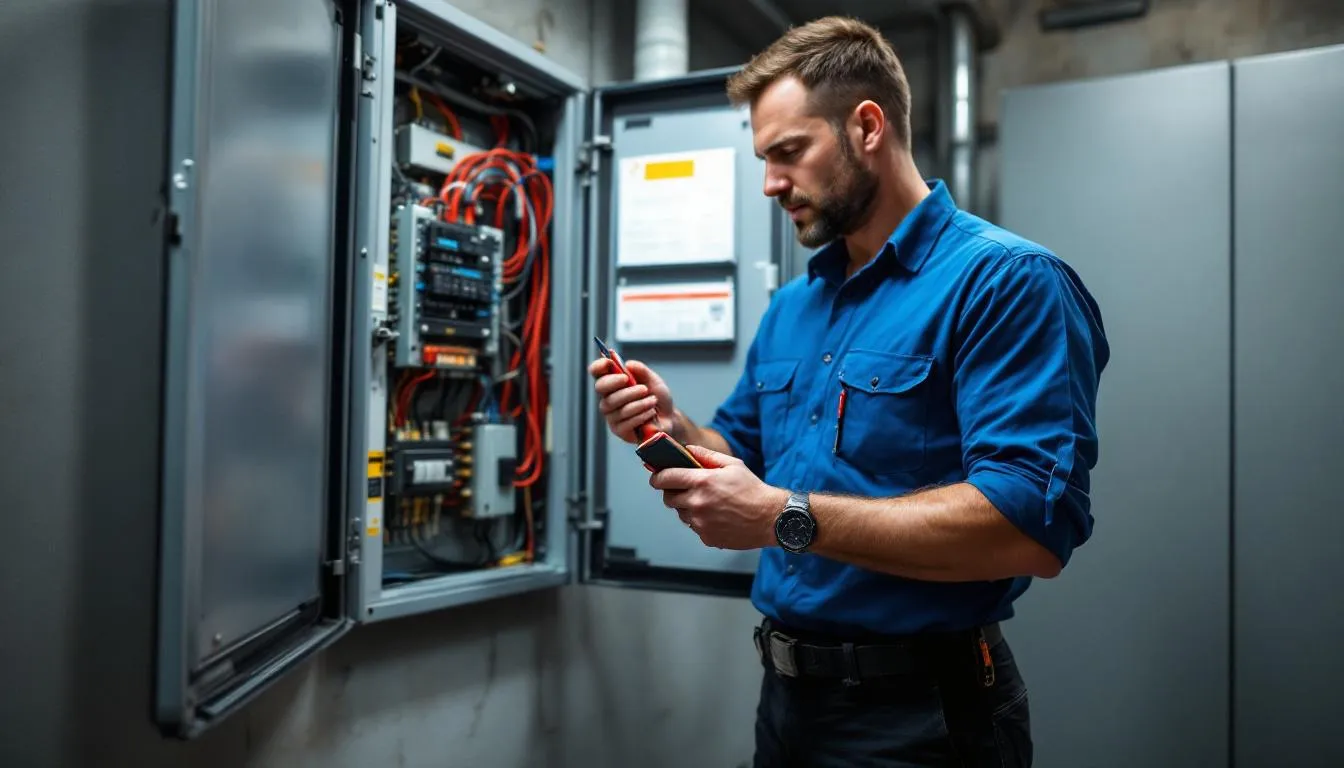
GFCI and tamper resistance. Bar sinks, mop sinks, restrooms, and any receptacle within 6 feet of a water source need to be protected. Public‑facing outlets need tamper‑resistant receptacles. Inspectors examine test buttons without prompting.
Backup power. Full generator installation Orange County approvals are normally overkill for retail unless refrigeration or crucial pharmacy operations are included. However a targeted UPS for POS racks and network gear is cheap insurance. If you keep vaccines or high‑value perishables, talk early about an electric car battery charger Orange County style battery backup is not a replacement; you need a listed standby system designed for the load.
EV chargers and parking lot power that extend your brand
More shopping mall in Orange County are including EV charger installation Orange County tasks to serve consumers and staff. If you manage your parking, a set of Level 2 stations by the storefront brings dwell time and goodwill. Not every site has the spare capacity, however. Alternatives consist of load sharing, panel upgrades, and sometimes a little service addition just for EV. Trenching in active lots requires traffic control and mindful preparation to prevent irrigation and unknowns. I like to run spare channel while the asphalt is open, capped and recorded for future chargers or security bollards with lighting. If the center handles EV infrastructure, a minimum of stub power to your facade for signage lighting and future displays.
Buildout series that appreciates opening dates
Retail building resides on schedule. The electrical course from demonstration to final punch has predictable choke points. Manage them and you win your date on the calendar.
Rough in runs behind framing and under piece work preceded. Validate component submittals early so obstructing, box sizes, and installing heights match. Assessments at rough will examine box depths in fire‑rated walls, support for much heavier components, and proper nail plates where required.
Ceilings dictate the mid‑phase. As soon as grid or drywall ceilings close, modifications are expensive. Walk the space with your superintendent and electrical contractor to verify every outlet location, particularly in millwork and at the cash wrap. Request short-term lighting and a powered outlet cluster for trades to lower journey risks from cords.
Trim and manages come late, however they do not require to be disorderly. Have your electrician bench‑program lighting control scenes before last aiming and dimming. For recessed multiples and track, do a nighttime objective session with merchandising leads on website. It takes an hour and saves weeks of tweaks.
Utility and life‑safety evaluations normally run just before last. If SCE has not yet identified the meter or launched service upgrades, that can stall you even with an ideal interior. A very same day electrician Orange County team can not repair utility preparations, but they can prepare momentary power plans so other trades can keep moving.
Maintenance, repairs, and the unglamorous details that matter
After opening, maintenance keeps the experience consistent. A maintenance plan is not a luxury; it is a budget plan smoother.
Lighting replacements. Stock 2 to 3 percent of your LED lights and drivers. Even with 50,000 hour scores, motorists do stop working under heat. Keep record of motorist designs and color temps by zone. It keeps the sales flooring from ending up being a patchwork of whites.
Testing and cleaning. Quarterly checks of exit lights, sensor calibration, and control schedules keep you in compliance and remove surprises throughout annual assessments. Dust in vents and on heat sinks shortens LED life.
Emergency calls. Power journeys at closing time, a dead circuit on the espresso maker, a failed panel breaker on a Saturday, this is the truth. An emergency electrician Orange County crew with a 24 hr electrical expert Orange County hotline turns a crisis into a little delay. When we support multi‑unit operators, we release a two‑tier reaction time: two hours for life‑safety, same day for sales‑impacting, and next organization day for annoyance concerns. It sets expectations and keeps costs clear.
Electrical troubleshooting Orange County style favors systematic work. Infrared scans when a year catch hot connections in panels. Torque checks at seasonal changeovers find the https://blogfreely.net/clarusrqhi/industrial-tenant-build-out-electrical-contractor-orange-county set screws that like to loosen. Identifying and as‑builts pay dividends here.
Budget, value, and where to invest or save
Not every retail construct has a flagship budget. Time after time I see owners conserve clever in back‑of‑house however spend where the client feels it.
Spend on high CRI lighting and versatile circuiting. They pay back in sales and lowered rework. Purchase a quality lighting control foundation that does not lock you into a single proprietary vendor.
Save by standardizing device surfaces and heights across stores, even if each place has distinct millwork. Your inexpensive electrical expert Orange County partner can pre‑fab assemblies and minimize labor. Keep specialty components to include zones, not everywhere.
Panel choices must be honest. If the existing panel brand name is understood for sticky breakers or parts deficiency, do not half‑step. A definitive panel replacement Orange County project is less expensive than transporting out a ladder twice a month for annoyance trips.
Choosing the ideal partner for your store
Credentials and chemistry matter. A top ranked electrical contractor Orange County crew is not specified by stars on a profile, but by foreseeable work and clear interaction. Expect the following from the best electrician Orange County sellers return to:
-
Proper licensing and insurance coverage. A licensed electrician Orange County mark is the baseline. Request C‑10 license number and inspect it with the CSLB. Validate employee's compensation and general liability.
-
Local knowledge. An electrician Orange County CA based group knows the peculiarities of inspectors in Irvine versus Huntington Beach, and how SCE manages meter spots in each.
-
Transparent prices and choices. The right local electrical expert Orange County will reveal you alternates: a panel upgrade versus replacement, a lighting package A versus B with clear energy and quality effects, and phased add‑ons like EV arrangements that can wait until after opening.
-
Capacity for industrial scale and a touch of domestic skill. A commercial electrician Orange County professional is vital for life‑safety and coordination. That said, the trim work at the cash wrap and ornamental fixtures owe more to a careful residential electrician Orange County skill set. Shops that do both tend to deliver cleaner finishes.
-
Service after the ribbon cut. Try To Find Orange County electrical repair reaction commitments in writing, including after‑hours rates. A same day electrical expert Orange County promise indicates little bit without a strategy to staff it.
A brief pre‑opening power‑on checklist
Use this throughout the recently, when everybody is exhausted and information slip.
-
Walk the flooring during the night with lights on scenes for early morning, peak, and closing. Adjust dimming so displays pop without glare.
-
Test all emergency situation and exit lights on battery for a minimum of 10 minutes while measuring egress foot‑candles with a standard meter.
-
Plug in every POS, run a test deal, and mimic a brief power loss with an UPS to verify network gear trips through.
-
Trigger lighting controls in every zone: job sensors, timers, and daylighting dimming. Document override steps for staff.
-
Verify all panel schedules, labels, breaker torque, and keep a laminated one‑line diagram in the electrical room.
Two field notes from recent Orange County projects
A specialized grocer in Anaheim Hills acquired a 225 amp panel feeding both lighting and refrigeration. Weekly trips at 6 p.m. Told the story. We logged loads for seven days and saw peaks brushing 220 amps when lights dimmed up for night traffic. The owner wished to prevent a long energy upgrade. We carried out a targeted electrical panel upgrade Orange County inspectors authorized in one go to: new interior, rise protection, separation of refrigeration to a devoted subpanel, and rebalanced lighting stages. Journeys disappeared. The cost was available in at a fraction of a brand-new service run and included a single overnight shutdown.
A sneaker shop in Costa Mesa fell in love with a very little ceiling and desired all power in the floor. We mapped 14 flooring boxes to match modular displays and added 2 spares capped under slab where future fixtures may land. The GC poured on Tuesday; by Friday we were hot on temperature power and marking collaborates on the polished concrete strategy. When they changed the layout 3 months later, those spares conserved a weekend of cord covers. Small insight, big impact.
When things go sideways, here is how a good team responds
Openings have moving targets. A delivery hold-ups, a sign needs a modified circuit, or a surprise in the wall chews a day. The difference maker is responsiveness. A finest electrical expert Orange County crew will staff a foreman who can reroute a circuit to prevent a beam without including a dozen junction boxes, propose an alternate fixture with the ideal photometrics and a three‑day lead time, and brief the inspector on the change before it ends up being a red tag. That calm, expert cadence originates from repeating and pride in the craft.
If you are still browsing with expressions like electrician near me Orange County, look carefully at how candidates discuss Title 24 controls, how they identify their panels, how they explain coordination with millwork suppliers, and how they plan for blackouts during cutovers. Those answers expose the distinction in between a contractor who merely connects wires and a partner who helps you open with confidence.

Retail electrical power is not unique. It rewards great practices, truthful mathematics, and unrelenting attention to details clients never see. When those pieces click, your lights feel simple and easy, your registers hum, and your personnel does not think of the power at all. That is the objective, and it is definitely achievable with the right Orange County electrician at your side.