Attic Fan and Whole Home Fan Electrical Wiring Orange County
Most Orange County homes feel the same rhythm: mild early mornings, a marine layer that burns off by lunch, then a dry push of afternoon heat that sticks around in the attic well after sunset. That heat has a cost. I have measured attic temperature levels in Objective Viejo at 135 to 150 degrees on August afternoons while the living room sat at a reasonable 76. The delta works your HVAC harder, fatigues roofing products, and shortens the life of anything with a motor up there. Correctly wired attic and entire home fans can alter that equation, however they just settle if the electrical work is thought through, code compliant, and tuned to your house.
I have actually set up and wired numerous these systems throughout the county, from 1950s cattle ranches in Orange and Fullerton to 3 story townhouses in Irvine and more recent integrate in Rancho Mission Viejo. The concept sounds simple: move hot air out. The execution resides in the information. This guide strolls you through how I approach attic fan and entire home fan wiring in Orange County, what matters, and why a licensed electrician Orange County homeowners can trust keeps an eye on more than simply a hot and neutral.
What each fan actually does
People typically lump attic fans and whole house fans together. They are not interchangeable.
An attic fan lives in the attic, usually on the roofing system or gable, and tires hot attic air to the outdoors. It operates on a thermostat, often a humidistat, and its job is to decrease attic temperature so the spaces listed below do not gather convected heat from the ceiling. Circuitry is typically uncomplicated, often a 120 volt, 15 amp circuit if the motor is modest, with a regional detach and bonding.
A whole house fan sits in the ceiling of a hallway or main area. You open windows, switch the fan on, and it pulls cooler outside air through the home, flushing hot air out through the attic vents. That indicates greater airflow, significantly greater amperage in some designs, bigger backdraft dampers, more structural coordination, and smarter controls because individuals remain in the area while it runs. These fans are not almost convenience. If they are wired and sized properly, they can reduce compressor run time by 30 to 60 percent on shoulder season evenings.
The Orange County variables that shape the wiring
Local climate pushes design options. Evenings frequently cool into the 60s within a couple of miles of the coast, while inland neighborhoods like Yorba Linda and Lake Forest can hold heat. I size entire home fans with those evening deltas in mind. If you prepare to draw cool ocean air through in Huntington Beach, a two speed or variable speed entire home fan wired to a wall control is a pleasure. If you are in Anaheim Hills, you may still desire the fan for spring and fall and for quick purge ventilation, however you will rely more on the attic fan mid summer to secure the structure shell.
The roofing and attic matter, too. Cathedral ceilings with limited attic volume need different options than a sprawling ranch with numerous cross gables. I have been in attics with just 1 to 2 square feet of net totally free vent location when the fan wanted 6 or more. Without enough passive venting, wiring the most significant motor you can discover simply produces negative pressure and sound. Good electrical contractors look at airflow initially, conductors second.
Age of the electrical system rounds out the photo. Many mid century homes in Orange County have older panels with minimal spare capability. I often integrate a fan project with an electrical panel upgrade Orange County homeowners already have on their to do list, particularly if they are also considering EV charger installation Orange County large. A 200 amp panel typically manages an entire home fan without problem, but I still run a load computation instead of guess. If your home still has aluminum branch circuits or remnants of knob and tube from an https://kameronamqp240.publishlane.com/posts/orange-county-panel-upgrade-get-ready-for-solar-and-evs addition, that will shape the electrical wiring strategy and the authorization conversation.
Sizing the fan before running a single cable
A common error is choosing equipment without checking the math. For an entire home fan, the rough rule of thumb is 2 to 3 air changes per minute of the home's living area. In practice I use a range due to the fact that window method, venting, and acoustics matter. A 2,000 square foot home with 8 foot ceilings holds approximately 16,000 cubic feet of air. At 2.5 air changes per minute, a 40,000 CFM target would be ridiculously high and noisy, so we dial expectations. Modern high performance entire home fans frequently provide 2,000 to 7,000 CFM at dramatically lower wattage than the old belt drive systems. The circuitry then follows the equipment: a few of these draw less than 3 amps on low and 6 to 8 amps on high; bigger systems can crest 10 to 12 amps. That dictates conductor size, breaker selection, and whether you share the circuit.
Attic fans are simpler. Lots of roof mounted designs pull 800 to 1,600 CFM and draw 1 to 3 amps. If the roof has constant ridge vents and a lot of soffit intake, a single unit can stabilize attic temperature levels well. In a long hip roofing system with isolated bays, I in some cases install two fans, each by itself thermostat, then bring them back to a single junction fed by one circuit if the load and Post 210 enable it. Attention to balancing is essential. One fan combating another seem like a prop plane overhead.
Permits, code, and the Orange County patchwork
Every city in Orange County embraces the California Electrical Code, which is based on the NEC, but they vary in analyses and administrative treatments. Anaheim's building department is tough on paperwork for whole home fans and wants proof of adequate attic venting noted on a plan. Irvine's over-the-counter permit process is efficient if the scope is uncomplicated, however inspectors are exacting on AFCI requirements and labeling. Santa Ana typically focuses on smoke control questions in multi family buildings.
Three points I never ever skip:
-
Arc fault security. If the switch place for an entire house fan lands in a habitable room, it triggers AFCI requirements. I generally set up an AFCI breaker, then bring the devoted circuit to the fan and control. Some customers choose a remote relay at the fan and a low voltage wall control to prevent line voltage at the switch box. That can streamline AFCI problem tripping in older homes.
-
An available detach. The motor needs a method to detach within sight. I either use a locking cord and receptacle in the attic or a small non fused disconnect next to the fan real estate. Inspectors in Huntington Beach have actually dinged tasks that needed crawling three trusses over to unplug a unit.
-
Bonding and grounding continuity. Metal housings, specifically older gable fans, can not depend on mounting screws for bonding. I pull a devices grounding conductor to every fan and confirm continuity to the housing with a meter before covering up.
Whole house fans also incorporate with Title 24 energy code logic. While they are not compulsory, installers have to show that attic venting can support the air flow to satisfy producer requirements. I measure or approximate soffit and ridge vent net free area and aim for 1 square foot of net complimentary vent per 750 CFM of fan capability, sometimes better depending on baffle losses. When venting is brief, we include intake.
Wiring choices that make the system last
I do not run NM cable through roofing decks. Attics run hot, and thermal stress builds up over years. My standard is NM-B in attic runs supported on running boards or rafters, then emergency medical technician or FMC where the cable approaches a metal real estate or a roof penetration. For roof installed attic fans, liquidtight versatile channel manages vibration and weather. I utilize listed strain reliefs and drip loops. Interior penetrations into the conditioned area for an entire house fan need sealed grommets and often fire caulk, especially in 2 story homes with separation requirements in between garage and living spaces.
Conductor size follows the load with margin. Even if a fan draws 7 amps on high today, a 14 AWG work on a 15 amp breaker leaves little headroom for future modifications. I typically choose 12 AWG and a 20 amp breaker for whole house fans, then size the whip to the real estate properly. If the control circuit is low voltage, I pull a different cable television clearly labeled in the junction box.
Controls matter more than the majority of people believe. Old-fashioned attic fans work on snap disc thermostats set at 100 to 110 degrees. I still utilize those for simplicity, however I likewise wire an override switch so a homeowner can close down throughout wildfire smoke occasions. Whole house fans have alternatives: two speed toggles, wall timers, digital controllers with temperature level sensors, or smart controls tied to a phone app. In Laguna Niguel, I wired an entire home fan to a countdown timer that would shut off after 30, 60, or 120 minutes. The household desired the fan to run after dinner and stop before bedtime without a reservation. The timer sits next to an identified wall plate revealing which bedroom windows to break for best air flow. Small touches turn hardware into a routine that people actually use.
Noise, vibration, and the neighbors
Noise problems prevail with older systems. Rubber isolators between the fan frame and framing assistance, however wiring contributes too. Careless whips that slap a housing, or EMT that touches a truss, produce a rattle that telegraphs through drywall. I secure avenue with padded straps and provide flexible sections gentle bends. For a ceiling installed entire house fan, I add adaptive speed control if the motor supports it. On low, the majority of modern-day fans are whisper quiet, drawing 100 to 300 watts while moving real air.
I when revisited a job in Tustin where a well suggesting handyman had actually wired a new entire home fan onto a close-by bedroom circuit, then jammed the junction box under insulation. The fan worked, however the added present on that run triggered a breaker to run hot. The homeowner heard a hum and felt heat on the bed room outlet cover. We traced it, pulled a devoted homerun to the panel, added an AFCI breaker, and the hum vanished. The lesson repeats: a tidy electrical design repairs more sound than a thicker gasket.
Load computations and panel realities
Before I run cable television, I inspect the service and panel. Numerous Orange County homes developed before the late 1990s have 100 amp services. If the home has actually added a medical spa, an electric range, and an electrical car battery charger Orange County house owners typically think about these days, the panel might be at capacity. I compute existing loads utilizing NEC Article 220 techniques, then include the proposed fan loads. A single attic fan normally includes little. A big whole house fan might add up to 1,200 to 1,500 watts at startup, though running watts are often lower. If the numbers squeeze, it can be time to discuss a panel replacement Orange County inspectors will bless, or a service upgrade. When we combine new circuits for recessed lighting Orange County jobs and a fan, bundling the authorization and examination conserves time and money.
This is likewise where AFCI and GFCI device options get made. If an entire home fan permeates a garage ceiling, GFCI might be called for depending upon routing. Laundry locations close by can set off extra requirements. When in doubt, ask your regional electrical contractor Orange County locals count on to check out the strategy set with you.
Integration with a/c and wise home wiring
I watch out for interlocks that attempt to run the whole house fan and air conditioning simultaneously. They work at cross purposes. That stated, coordination assists. A basic relay that leaves the heater blower for a minute when the whole house fan begins can lower backdrafts through the return. Some clients desire clever home electrical wiring Orange County broad, so we tie a fan to a home automation scene. Split windows, set scenes, start the fan on low, then increase as outside temperature drops. Low voltage circuitry Orange County installations like these reside in the exact same licenses, but utilize various cable television and defense. Keep line and low voltage separated and labeled.
I like magnetic contacts on a number of windows connected to an indication light at the control. It is a basic check that the consumption path is open, crucial for airtight homes with powerful fans.
Safety around combustion appliances
If your home has a gas hot water heater or furnace available to the living space or garage, unfavorable pressure is a real threat. I have seen a 6,000 CFM fan backdraft a badly vented hot water heater in a Santa Ana garage, pulling flue gases into the space. The fix included adding comprise air and informing the homeowner to open particular windows in the living location opposite the garage. When I wire control stations, I publish a short instruction label. An entire home fan is not a toy. Regard the airflow.
Fire stopping and penetration seals likewise deserve attention. Anytime we cut a ceiling opening, we maintain the stability of ranked assemblies. Intumescent caulk at cable television penetrations, metal junction box covers, and listed dampers all matter. Some premium whole house fans utilize insulated, R-5 to R-10 motorized dampers that seal tight when off. I wire those to power closed on shutdown. Without power, gravity or spring returns often leave a space that leakages conditioned air.
The series I follow on a normal job
Homes are different, but the rhythm generally looks like this. First go to is a discussion, a look in the attic, a panel check, and air flow math. I measure vent location, look for can lights that might be open up to the attic, and mark proposed fan places with tape. We speak about how the family lives. If someone works from home and takes contact a front workplace, a noisier area will not fly.
Permit is next. For a residential electrician Orange County accredited and guaranteed, most cities offer online submittals. I include a simple one line diagram, control schematic, and cut sheets. For whole home fans, I add venting notes.
Rough electrical wiring comes after framing cuts. I protect junction boxes to structure, run crowning achievement back to the panel along supported paths, and leave generous service loops. Controls get mounted in logical, visible places. I label conductors with heat shrink markers. House owners appreciate labels in the panel too. It is not tough to write "Whole Home Fan" beside breaker 18.
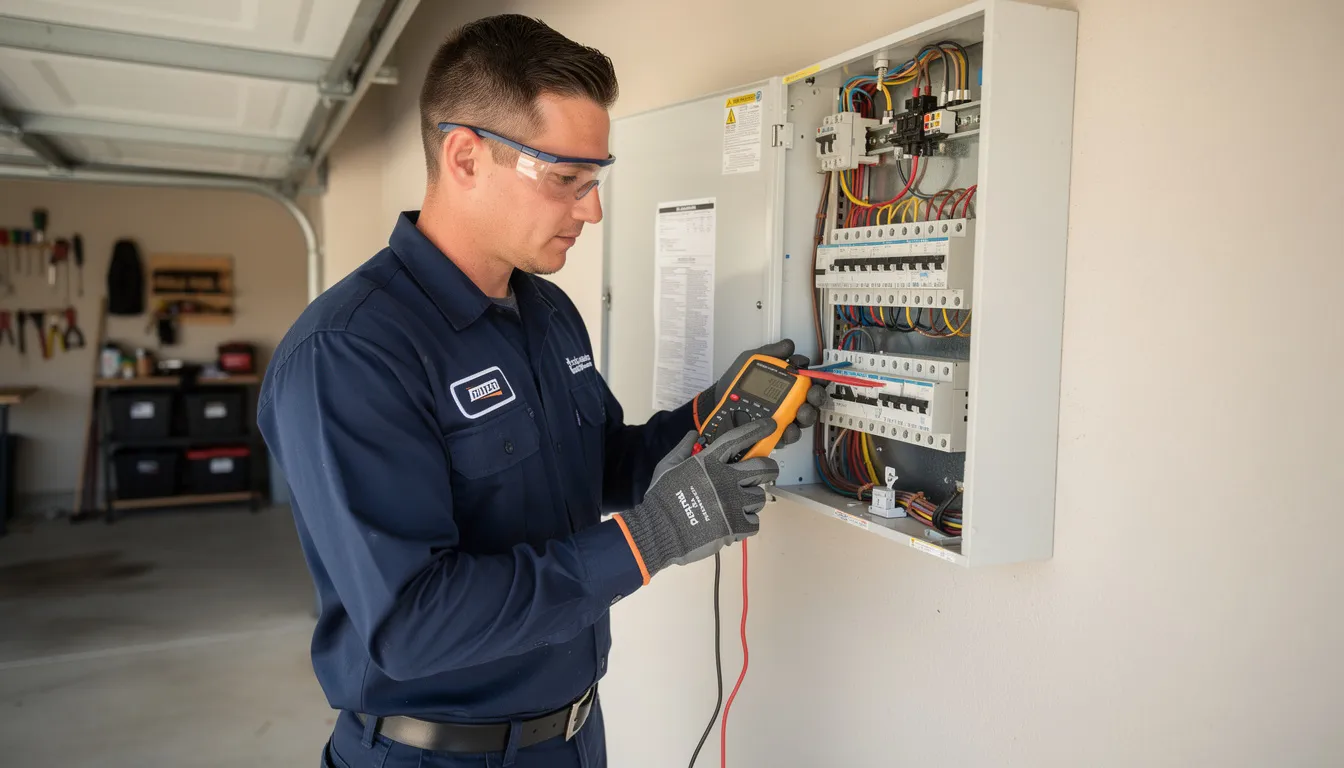
Final connection and testing occur after the mechanical install. I torque terminations, verify ground connection, test GFCI or AFCI function, and run the fan through its speeds while keeping track of existing with a clamp meter. On hot days I set attic fan thermostats around 105 degrees to begin, then change with the house owner later on. I provide a short orientation on using the system. It takes five minutes to discuss why two windows on opposite sides of your house work better than one.
Common mistakes I see and how to avoid them
-
Undersized electrical wiring and shared circuits with bed room receptacles. Fans should have devoted circuits sized for start-up present. Avoid stacking them on lighting runs.
-
No detach or inaccessible junction boxes. Whatever needs to be functional. Inspectors search for it, and so do service specialists later.
-
Ignoring attic venting mathematics. Air has to go somewhere. Add intake at soffits if needed, or choose a smaller fan and accept a longer run time.
-
Sloppy control choices. A single on off toggle invites someone to forget the fan all night in December. Timers and wise controls pay for themselves by avoiding mistakes.
-
Not preparation for smoke events. An override that eliminates attic fans when outside air is bad saves roofings from drawing in ash and soot. It is easy to wire and easy to use.
A quick pre wire list for homeowners
-
Confirm attic vent area meets or goes beyond the fan's requirement. If not, add vents.
-
Verify panel capacity with a load calculation and recognize a devoted breaker space.
-
Choose a control method that fits your routine, such as a timer or variable speed wall control.
-
Walk the home and identify which windows will be utilized for consumption, then plan labels.
-
Discuss combustion devices and make up air with your electrician to avoid backdrafting.
Costs, timelines, and practical expectations
Pricing differs with gain access to, equipment, and electrical work needed. Attic fan electrical labor frequently runs a few hundred dollars when there neighbors power and great access. Entire house fan circuitry ranges larger, specifically if we include a homerun to a far-off panel, AFCI breakers, and wise controls. If you need an electrical inspection Orange County departments schedule rapidly for simple scopes. Plan a half day to a full day of on site work for the majority of installs.
Comfort gains are genuine. An appropriately wired and sized entire home fan can pull a 2,000 square foot home down from 82 to 74 in under an hour when the outside air is 68. You will still need a/c on peak inland days, but you will use it less, and your home will settle quicker in the evening. Attic fans frequently shave 10 to 25 degrees off peak attic temperature levels, which decreases duct losses and keeps roof sheathing happier. Roofing professionals like that. Your shingles will, too.
When a professional makes sense
If you are the mindful do it yourself type with attic experience, standard installations can be approachable, particularly attic fans with close-by power. Still, there is a world of distinction in between getting a motor to spin and establishing a system that is safe, quiet, and resilient. A best electrical contractor Orange County homeowner has on speed dial will put eyes on venting, panel capability, conductor security, and controls. Search for a licensed electrician Orange County based who pulls licenses, communicates plainly, and guarantees the work. If something trips at 9 pm on a Saturday in July, you will be grateful you worked with a group that provides a 24 hour electrician Orange County dispatch. If a breaker gets cranky 2 weeks later, a same day electrical contractor Orange County pro need to have the ability to visit and fine tune without drama.
Electrical troubleshooting Orange County projects like these sometimes uncover unassociated issues. I have found brittle fabric cable feeding a bathroom fan that stopped working the pull test, and a broken junction box cover buried under years of insulation. We repair what we touch. That is the ethic you want whether it is outlet installation Orange County demands or a modest lighting setup Orange County households request in between bigger jobs.
Anecdotes from the field
Two jobs stick to me. In Costa Mesa, a retired couple had a stunning mid century home with a tongue and groove ceiling and almost no attic. Air conditioner struggled in the afternoons. We selected a low profile, ducted whole home fan installed in a little mechanical chase, then ran the duct to a discreet roofing cap. The electrical ran through emergency medical technician in the chase, with a devoted 20 amp circuit and a peaceful timer switch near the cooking area. That system used 250 watts on low and changed how they utilized the home. They consumed dinner with windows open and called the fan their ocean breeze button.
In Placentia, a young family required an Orange County electrical repair after a breaker tripped repeatedly. The perpetrator was a whole house fan a previous owner had actually wired to a basic lighting circuit in the 1970s. We upgraded the panel, added AFCI breakers, rewired the fan to a dedicated circuit, and set up smoke and CO detectors in the suitable rooms. As part of the task, we added a few recessed lighting Orange County homeowners typically couple with ceiling fans and changed a noisy bath fan. The last walk through seemed like a various home. Little electrical decisions blend into everyday life.
Bringing it together
Wiring an attic fan or whole home fan is less about pulling romex and more about checking out a house: the way air wishes to move, the way a panel was expanded over time, and the way a household lives. The ideal Orange County electrical contractor will talk through trade offs. A more affordable, single speed unit may look good on paper, but if it is loud you will not utilize it. A variable speed fan tied to a clever controller costs more up front, yet it earns back with convenience and lower a/c runtime. A fast set up that neglects venting will work for a while, until it does not. A purposeful set up will last years.
If you are looking for a local electrical expert Orange County residents suggest, ask about recent fan jobs. A leading ranked electrician Orange County property owners trust can describe how they addressed venting, AFCI, and controls on a job like yours. They ought to likewise be comfortable bundling related work if needed, whether that is a modest ceiling fan setup Orange County households want in a bedroom, outdoor lighting Orange County outdoor patios should have for evening air flow, generator installation Orange County clients consider for outage durability, or entire home rewiring Orange County older homes in some cases need before adding new loads.
Good electrical work disappears into the routine of your home. You feel the breeze, you see the electric bill settle, and you sleep much better. The wires simply do their task, quietly, day after day. That is the goal. And in our climate, with our building stock, it pays to wire these fans right the very first time.